Aldermans Hill bulky waste collection guide Palmers Green
If you live near Aldermans Hill and you've got a sofa, mattress, broken wardrobe, or a few awkward bits of furniture to shift, you already know the problem: bulky waste is never quite as simple as a normal bin day. The Aldermans Hill bulky waste collection guide Palmers Green below walks you through the practical options, what to prepare, where people commonly get caught out, and how to choose the cleanest, easiest route for your situation. It's written for real life, not a tidy brochure version of it.
Maybe you are clearing a flat after a move. Maybe the hallway has become a storage zone for that chair nobody likes but nobody has quite removed either. Or maybe you just want the mess gone before the weekend. Fair enough. Let's make it straightforward.
Why Aldermans Hill bulky waste collection guide Palmers Green Matters
Bulky waste is one of those jobs that seems small until you actually start moving things. A bed frame is awkward. A fridge is heavy. A set of drawers can be deceptively bulky and somehow always one corner catches on the door frame. The trouble is not only the size; it is the timing, the lifting, the access, and the disposal route.
For Aldermans Hill residents, the pressure is often practical. Homes and flats in Palmers Green can have tight stairways, limited parking, and shared access points. That means the wrong disposal plan quickly becomes annoying for you and awkward for everyone else in the building. A clear bulky waste plan helps you avoid blocked entrances, repeated trips, and that slightly grim feeling of a pile of furniture gathering by the front door.
It also matters because not everything is treated the same way. Some items can be reused, some need specialist handling, and some can be collected with mixed household waste only if they are prepared correctly. Knowing the difference saves time and usually money too. Truth be told, most people do not need more theory here. They need to know what to do on a Tuesday afternoon when the cupboard is already half dismantled.
Practical takeaway: if the item is too large for ordinary bin collection, plan it as a bulky waste job from the start rather than hoping it will somehow fit into the weekly routine. It rarely does.
How Aldermans Hill bulky waste collection guide Palmers Green Works
In simple terms, bulky waste collection is the organised removal of large household items that will not go in a normal bin. That usually covers furniture, mattresses, white goods, broken storage units, garden items, and other oversized belongings. The exact method can vary depending on who collects it, how much there is, and how easy it is to access.
There are usually three broad routes people consider:
- Council collection or civic disposal route: useful for some household items, but often needs booking, item limits, and careful preparation.
- Private clearance service: often better when you need speed, heavier lifting, or several items collected in one go.
- Self-managed disposal: suitable if you have transport, time, and a safe way to load items without damaging the property or vehicle.
On Aldermans Hill, access is often the real deciding factor. If you live on an upper floor, have narrow communal halls, or need items carried through a busy entrance, the logistics matter more than the item list. You may also need to think about where the vehicle can stop, how long loading will take, and whether you need help moving the waste from inside the property to the kerb or collection point.
Most collection jobs work best when the items are grouped, sorted, and ready to go. That sounds obvious, but a lot of delays happen because one mattress is tied together with loose bags, or because a sofa still has cushions, throw blankets, and random bits tucked into it. Happens all the time.
For a broader view of disposal options in the area, it can also help to read the site's waste removal information and the page on pricing and quotes so you can compare convenience with cost before you commit.
Key Benefits and Practical Advantages
A good bulky waste collection plan gives you more than a tidy room. It saves energy, reduces stress, and keeps the whole process less chaotic than trying to improvise with a car boot and a lot of good intentions.
- Less lifting for you: heavy or awkward items can be handled without risking your back or your walls.
- Faster clearances: what might take you a whole weekend can sometimes be done in a single collection slot.
- Better for mixed items: if you have a sofa, small appliances, and a few bits of home clutter, a planned collection is easier than separate trips.
- Reduced disruption: less mess sitting around in hallways, gardens, or shared spaces.
- Cleaner disposal decisions: reusable items can sometimes be separated from general waste, which is better practice all round.
There is also a mental benefit that people underestimate. Once bulky items are gone, the room feels usable again. Not just tidier, but calmer. That spare bedroom finally becomes a bedroom again. The hallway stops feeling like a storage unit with a lightbulb.
For landlords, tenants, and homeowners alike, that matters. And if you are dealing with an end-of-tenancy deadline or a sale, timing is everything. A slow or badly planned clearance can turn a simple tidy-up into a stressful scramble.
Who This Is For and When It Makes Sense
This guide is useful if you are dealing with any of the following:
- old sofas, armchairs, or recliners
- mattresses or bed frames
- wardrobes, chests of drawers, and bedside units
- white goods such as washing machines or fridges
- broken tables, shelving, or flat-pack furniture
- loft or garage clutter that has finally crossed the line
- post-move rubbish that did not fit into the new place
- household items cleared after renovation or redecoration
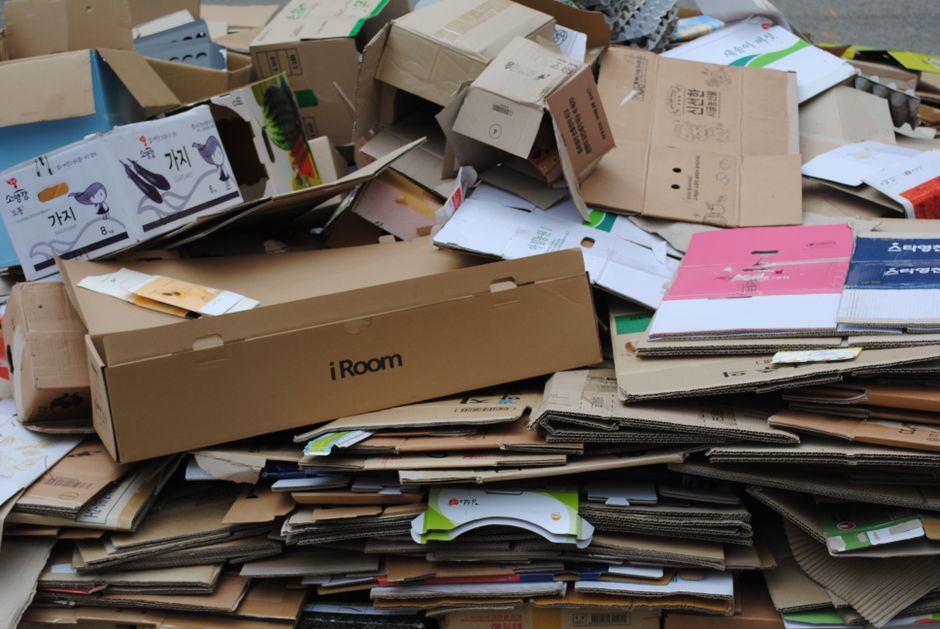
It also makes sense if you have a mixed job. For example, maybe you are clearing a room and the pile includes furniture, cardboard, and a few garden bits. That is usually where a more flexible clearance approach helps, because a single bulky waste job can be easier than splitting it into several smaller ones.
If you are only removing one light item, a bigger service may feel like overkill. If you are removing a full room's worth of stuff, a DIY trip may sound cheaper but quickly becomes a second job in itself. This is the bit many people miss: the cheapest option on paper is not always the cheapest in time, effort, or hassle.
For house, flat, loft, and garage jobs, these related pages may also help you think through the right type of clearance: house clearance, flat clearance, loft clearance, and garage clearance.
Step-by-Step Guidance
Here is a practical way to handle bulky waste in Palmers Green without making a mess of it.
- List everything you want removed. Walk through the space and write down the items. Be exact. "Chair" is fine, but "broken leather recliner" is better.
- Sort by type. Separate furniture, appliances, cardboard, general rubbish, and anything that may need special handling.
- Check access points. Measure doorways, note stairs, and think about whether the items can be carried out safely.
- Take photos if you are getting a quote. A few clear pictures often make pricing much more accurate. No need for a full photo shoot; just useful angles.
- Decide whether reuse is possible. If an item is still in good shape, it may be worth keeping it separate from disposal waste.
- Book the collection or plan the trip. Choose the route that fits your timetable, access, and budget.
- Prepare the items. Empty drawers, remove loose contents, and detach any parts that make lifting unsafe or awkward.
- Clear a path. Move smaller items out of hallways and doorways so the collection can happen smoothly.
- Confirm the collection window. If someone needs to be present, make sure you are available. A missed slot is nobody's idea of fun.
- Check the area after removal. Look for screws, broken glass, or bits of packing that may have been left behind.
A useful tip: group similar items together, but do not overpack them. A neat pile is helpful. A wobbling tower of broken furniture is not.
Expert Tips for Better Results
In our experience, the smoothest bulky waste jobs are the ones where the work is done before the collection day begins. That sounds a bit obvious, but the devil really is in the prep.
- Measure first, move second. A door frame that looks wide enough can surprise you.
- Disassemble large furniture where safe. Removing legs or shelves can make a job much easier, but only if the item stays stable enough to handle.
- Keep hardware together. Put screws, brackets, and small fittings in a bag and tape it to the item if it matters for reuse.
- Separate hazardous items early. Paints, chemicals, and some electricals should not be bundled with ordinary furniture waste.
- Use daylight if you can. Morning or early afternoon collections are often simpler because visibility is better and the building feels less cramped.
- Think about neighbours. A quiet, tidy move-out is always kinder in a shared block.
Here is another one that saves bother: keep one item back until the end if you are unsure about it. Better to pause and decide than to throw something into the wrong pile because you were in "just get rid of it" mode. We've all had that moment.
If you want to reduce cost, compare the job size carefully before requesting a quote. A single item collection, a partial clearance, and a full property clearance are very different jobs. For useful reading on keeping pricing clear, see the site's guide on avoiding hidden charges in Palmers Green rubbish removal quotes and the local advice on comparing Palmers Green rubbish removal quotes fast.
Common Mistakes to Avoid
Most bulky waste problems are preventable. A few of the most common mistakes crop up again and again.
- Leaving it too late: if you need the room back by Friday, do not wait until Thursday afternoon to start planning.
- Mixing different waste types without checking: a sofa, broken mirror, and paint tins may not all follow the same route.
- Forgetting access restrictions: parking, stairways, gated entry, and lift size all matter.
- Underestimating weight: many items are heavier than they look, especially once stripped of cushions or drawers.
- Not checking what should be reused or donated: usable items should not be treated like random rubbish if there is a better option.
- Assuming everything can be left outside: that can create nuisance, block access, and make you responsible for a mess you did not mean to leave.
Another big one is failing to confirm what the service includes. Does the price cover lifting from inside? Does it include multiple floors? Are there extra charges for unusually heavy pieces? These are fair questions. Ask them. Nobody likes surprises when a quote arrives, especially not the expensive kind.
Tools, Resources and Recommendations
You do not need a van full of kit to handle bulky waste properly, but a few simple tools can make the process much easier.
- Work gloves: useful for sharp edges, dusty furniture, and old fittings.
- Measuring tape: essential if the item has to come through narrow gaps.
- Marker pen and tape: handy for labelling items, parts, or piles.
- Strong bin bags or rubble sacks: useful for loose contents, not for overloading with heavy debris.
- Screwdriver or basic tool kit: helpful for dismantling furniture safely.
- Blankets or floor coverings: good for protecting flooring in flats or communal areas.
For people comparing options, the following pages are especially useful: furniture clearance for larger household pieces, furniture disposal for items that need removal and treatment, and home clearance if the job is wider than a few bulky pieces.
If your clearance includes an office, garden area, or renovation waste, the following may help too: office clearance, garden clearance, and builders waste clearance.
Law, Compliance, Standards and Best Practice
Bulky waste disposal is not just about convenience. It also needs to be handled responsibly. In the UK, householders and businesses are expected to avoid fly-tipping, use legitimate collection routes, and make sure waste goes to an authorised place. You do not need to be an expert in waste law to make a sensible choice, but you do need to be careful with where items end up.
Best practice usually means:
- keeping waste out of pavements, shared entrances, and communal fire routes
- using proper collection methods rather than leaving items on the street
- separating reusable items where practical
- checking that the disposal route is legitimate and traceable
- handling hazardous or electrical items with extra care
If you are unsure whether an item needs special handling, stop and check before mixing it in. That is especially true for fridges, freezers, screens, and anything that may contain fluids, gases, or sharp components. You do not need to panic about every item, but you should not guess either.
For service standards and internal policies, this site also provides pages on health and safety policy, insurance and safety, and recycling and sustainability. Those pages help show the kind of care people should expect from a responsible clearance provider.
To be fair, most customers do not want a legal lecture. They want the waste gone, safely, without drama. Reasonable enough.
Options, Methods, or Comparison Table
Choosing the right method often comes down to time, access, cost, and how much heavy lifting you want to do yourself. This quick comparison may help.
| Method | Best for | Main advantages | Possible drawbacks |
|---|---|---|---|
| Council-style bulky collection | Small to medium household items | Simple for some residents, often suitable for standard items | May involve booking rules, limits, and less flexibility |
| Private clearance service | Mixed loads, heavy items, awkward access | Faster, more flexible, less lifting for you | May cost more than DIY or basic collection |
| Self-haul to a disposal site | People with transport and free time | Direct control over timing | Loading effort, travel time, vehicle suitability, and possible queuing |
If you are trying to save time rather than money alone, private clearance often wins. If you only have a couple of manageable items and a vehicle ready, self-haul can work. If you need a simple household route and are happy to work within the rules, a more basic collection option may be enough.
A sensible middle ground is to get a quote for the exact job first, especially if you are unsure how much there really is. Sometimes the load is smaller than it looked. Sometimes it is bigger. That's life, really.
Case Study or Real-World Example
Here is a realistic example from a common Palmers Green-style scenario. A resident on Aldermans Hill was clearing a one-bedroom flat after a move and ended up with a sofa, a mattress, a broken bedside unit, and several flat-pack leftovers. At first glance, it looked like a quick trip in the car. Then the sofa was measured properly, the mattress was checked, and it became clear the lift and hallway needed careful handling.
The result was a much better plan: items were grouped by type, screws and loose fittings were bagged, cardboard was flattened, and the bulky pieces were set aside in a clear path near the exit. The job moved faster, fewer trips were needed, and the building stayed tidy. Nothing dramatic. Just organised, calm, and far less stressful than a last-minute dash.
That is usually the difference between a smooth collection and a frustrating one. The waste does not disappear by itself, inconveniently enough.
Practical Checklist
Use this checklist before collection day:
- List every item to be removed
- Separate furniture, appliances, cardboard, and loose rubbish
- Measure doorways, stairs, and access points
- Remove loose contents from drawers, cupboards, and storage pockets
- Bag up screws, fixings, and small components
- Check for hazardous or specialist items
- Take clear photos if you need a quote
- Confirm parking and loading access
- Clear a path through the property
- Keep reuseable items separate if possible
- Confirm timing and contact details
- Inspect the area once the collection is done
Expert summary: the best bulky waste collection is the one that is planned before lifting begins. Clear access, accurate item lists, and the right disposal route make the biggest difference, especially in tighter Palmers Green streets and apartment blocks.
Conclusion
The right Aldermans Hill bulky waste collection guide Palmers Green approach is not really about finding the fanciest service. It is about matching the method to the job. If you have one or two manageable pieces, the simplest route may be enough. If you have awkward access, mixed items, or a bigger clear-out, a more flexible collection option will usually save time and stress.
What matters most is that you plan it properly, check what can be reused, and avoid leaving bulky items sitting around longer than necessary. That is better for your home, better for neighbours, and better for the whole street. Small effort now, less hassle later. Nice and clean.
Get a free quote today and see how much you can save.
And if you are still deciding, take a breath, walk the room once more, and start with the items that are truly in the way. That first small step usually makes the rest feel a lot easier.
Frequently Asked Questions
What counts as bulky waste in Palmers Green?
Bulky waste usually means large household items that will not fit into a standard bin, such as sofas, beds, wardrobes, tables, mattresses, and some appliances. If you have to wrestle it through a doorway, it probably counts.
Can I leave bulky waste outside on Aldermans Hill?
It is usually better not to leave bulky waste outside unless you have a confirmed collection arrangement and clear instructions. Leaving items in shared or public spaces can cause obstruction or complaints.
Is it cheaper to book a bulky waste collection or hire a van myself?
That depends on the amount, weight, access, and your time. DIY can look cheaper at first, but once you add loading effort, fuel, parking, and disposal time, a collection service may be the more practical option.
Do I need to dismantle furniture before collection?
Not always. But if dismantling makes the item safer to move or easier to fit through the property, it helps. Only remove parts if it can be done safely and the item remains manageable.
What if my bulky waste includes a fridge or freezer?
White goods often need a bit more care because of their weight and internal components. Check whether the collection route accepts them and whether any preparation is required before removal.
How far in advance should I book?
As early as you reasonably can, especially if you need a specific day or are working around a move-out deadline. Last-minute bookings can work, but they are less forgiving.
Can bulky waste be recycled or reused?
Sometimes, yes. Items in decent condition may be suitable for reuse, while materials from broken furniture can sometimes be separated for recycling. It depends on condition and the disposal route used.
What should I do with loose items inside drawers or cupboards?
Remove them before collection day. Loose contents make lifting harder and can spill during handling, which creates avoidable mess and delays.
Are there items that should not go with normal bulky waste?
Yes. Some hazardous materials, certain electrical items, and chemical products may need separate handling. If you are unsure, treat it carefully and ask before mixing it in.
How do I get an accurate quote for a bulky waste job?
Provide a clear list of items, a few photos if possible, and details about access, stairs, parking, and any heavy pieces. Better information usually leads to a better quote, which is rather refreshing.
What if I have both household clutter and bulky furniture?
That is common. A mixed clearance may be better than trying to split the job into separate collections. It can save time and reduce disruption, especially if the waste is all coming from the same room or property.
Is bulky waste collection suitable for flats and upper floors?
Yes, provided the access is manageable and the provider knows about stairs, lifts, and entry restrictions in advance. In flats, planning matters even more because shared spaces can slow everything down.