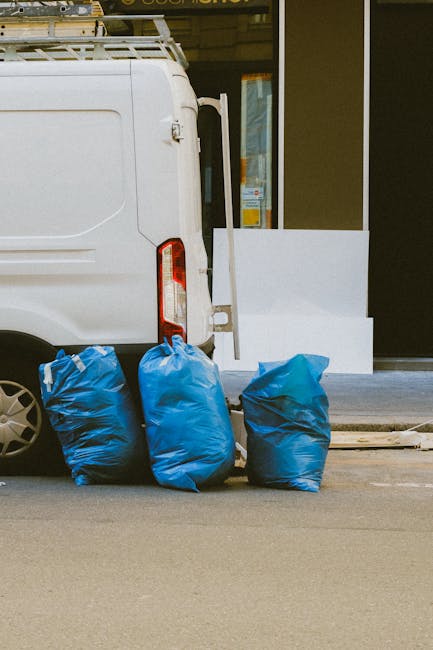
Overflowing bins on Green Lanes: quick clearance fixes
If you have ever walked past a row of split bags, drifting litter, and a bin lid hanging open in the rain, you will know the feeling straight away. Overflowing bins on Green Lanes are more than an eyesore. They can attract pests, slow foot traffic, create smells, and make a business frontage look uncared for in a matter of hours. The good news is that Overflowing bins on Green Lanes: quick clearance fixes are usually straightforward if you act early, sort the waste properly, and arrange the right clearance support before the mess spreads.
This guide breaks down what causes the problem, how quick clearance works in practice, and what sensible next steps look like for shops, offices, landlords, hospitality venues, and residential buildings along Green Lanes. You will also find a practical checklist, comparison table, and a few honest tips from the sort of real-world situations people run into on a busy North London high street. Truth be told, once bins start spilling, time matters.
Table of Contents
- Why overflowing bins on Green Lanes matter
- How quick clearance fixes work
- Key benefits and practical advantages
- Who this is for and when it makes sense
- Step-by-step guidance
- Expert tips for better results
- Common mistakes to avoid
- Tools, resources and recommendations
- Law, compliance, standards, and best practice
- Options, methods, and comparison table
- Case study or real-world example
- Practical checklist
- Conclusion
- Frequently asked questions
Why Overflowing bins on Green Lanes: quick clearance fixes Matters
Green Lanes is busy. That is the simple truth. Shops open early, deliveries arrive in bursts, takeaway packaging builds up, and residential waste can spill into the same limited kerbside space. When a bin overflows here, the problem is rarely just one full container. It is often a chain reaction: bags left beside the bin, loose lids, gulls or foxes pulling at waste, and passers-by adding a little more because there is nowhere obvious to put it.
The impact shows up fast. Litter blows into doorways. Cardboard gets wet and collapses. Food waste starts to smell. Staff waste time moving bags around instead of serving customers or keeping the site presentable. For hospitality venues, that can be enough to put people off sitting outside. For offices, it can create a poor first impression before anyone even steps through the door.
There is also a practical side that people sometimes miss: overflow tends to spread. One stuffed bin on Monday can become two areas of contamination by Tuesday. By Wednesday, you are dealing with an unnecessary clean-up job that could have been avoided with a short, targeted clearance visit. That is why quick action is so useful. Not dramatic. Just timely.
Expert summary: quick clearance is not only about removing rubbish. It is about stopping a small bin issue from becoming a wider hygiene, access, and presentation problem. On a street as active as Green Lanes, that timing can make all the difference.
For businesses that want to stay organised and customer-friendly, it can also help to review broader operational support such as who is handling the clearance work and whether the service matches the pace of the site. A good clearance plan feels calm when the street does not.
How Overflowing bins on Green Lanes: quick clearance fixes Works
At a basic level, a quick clearance fix follows a simple sequence: assess the waste, remove loose and overfilled materials safely, separate recyclable and general waste where possible, clean the affected area, and reset the bin setup so it can cope with the next round of use. Sounds easy, and most of the time it is. But the details matter.
The first step is to identify what kind of overflow you are dealing with. Is it a one-off spike after a delivery? A repeated capacity issue because the bin is too small? A contamination problem where food, cardboard, and mixed rubbish have all been shoved together? Or is the bin access itself blocked by parked vehicles, poor placement, or a missing collection schedule? Each scenario needs a slightly different fix.
For example, if a restaurant bin has gone over after a weekend rush, the immediate task is clearance and sanitising. If a block of flats has recurring overflow, the answer may be a larger or better-timed collection arrangement, improved sorting, or extra storage for bags before pickup. If a shopfront keeps getting blown-open bags, then securing lids and changing bin positioning may be the real win.
In practice, a proper clearance visit usually includes:
- removing waste that is piled around the bin area
- lifting and bagging loose items so they do not spread further
- checking for sharp, heavy, wet, or awkward materials
- separating recyclable items where appropriate
- clearing access routes so bins can be moved safely
- leaving the area tidy enough for normal use again
There is one thing worth saying plainly: quick clearance works best when it is decisive. Half-clearing a site, then leaving a second pile "for later", usually just prolongs the mess.
Key Benefits and Practical Advantages
Quick clearance is popular for a reason. It solves immediate problems without waiting for a full waste overhaul. That matters on Green Lanes, where foot traffic, weather, and business hours all seem to be working against you at once.
Here are the main advantages people notice first:
- Cleaner frontage: a tidy bin area improves the look of a shop, restaurant, office, or residential entrance almost instantly.
- Better hygiene: less exposed waste means fewer smells, less staining, and reduced attraction for pests.
- Safer access: clearing loose bags and broken packaging reduces trip hazards and blocked paths.
- Less disruption: staff spend less time firefighting a mess and more time on actual work.
- Faster recovery after busy periods: weekends, deliveries, and events can be cleared down quickly before the next rush.
- More control over recycling: separating recyclable material from mixed rubbish can reduce avoidable waste.
There is a quieter benefit too. People simply relax more when their surroundings are orderly. Customers may never comment on a cleared bin area, but they notice it. They really do.
For businesses that care about presentation and responsible disposal, it can be useful to understand the provider's approach to recycling and sustainability. That is not just a nice extra. It helps ensure the clear-out is tidy, sensible, and not wasteful.
Who This Is For and When It Makes Sense
This type of clearance is useful for a broad mix of people. On Green Lanes, the most common callers are shop managers, restaurant owners, landlords, managing agents, office occupiers, and residents living in shared buildings. In other words, anyone who has to deal with bins that have been asked to do too much.
It makes sense when:
- bins are already full and bags are sitting beside them
- waste is spreading into a shared courtyard, alley, or pavement edge
- collections have been delayed and the site needs a short-term reset
- a business has had an unusually busy day and cannot wait for the next standard collection
- a landlord or agent needs the area cleared before inspections or viewings
- the bin area is becoming a hygiene or access problem
Sometimes the need is obvious. A black bag torn open, juice running onto paving stones, and a small crowd of seagulls or pigeons circling is usually the sign. Other times it is less dramatic, just inconvenient. But convenience matters. Especially where customers, neighbours, and delivery drivers all use the same narrow stretch of street.
If you are unsure whether the issue is a one-off or a repeating capacity problem, it helps to start with a small clearance and then review what caused the overflow. That keeps you from paying twice for the same issue, which nobody enjoys.
Step-by-Step Guidance
If you want a quick, practical fix, work through the problem in this order. It keeps the site safe and avoids wasting time.
- Check the type of waste. Separate general rubbish, food waste, cardboard, and recyclables where possible. Mixed waste is messier and more expensive to handle later.
- Clear the loose material first. Pick up the bags and items already outside the bin so they do not spread further in wind or traffic.
- Inspect for hazards. Watch for broken glass, leaking containers, sharp packaging, heavy items, or anything that should not be handled casually.
- Remove access blockers. Move carts, stacked boxes, or parked obstacles that prevent proper collection or safe movement.
- Bag and consolidate properly. Put loose waste into secure sacks rather than leaving it exposed again. A tidy pile is not the goal; an contained pile is.
- Clean the affected area. Sweep or wash down the ground if there is residue, staining, or odour after the clearance.
- Reset the bin arrangement. Reposition bins, check lid closure, and make sure the next collection has room to work.
- Review what caused the overflow. Was it volume, timing, misuse, poor sorting, or a temporary disruption? Fixing the cause is the bit that saves you next week.
Here is a small but useful tip: take a quick photo before the clearance and after it. That gives you a clear record for staff, landlords, or managing agents, and it helps if the same spot keeps causing trouble. Simple, but handy.
Expert Tips for Better Results
Over time, the best clearance outcomes tend to come from a few habits done consistently rather than one dramatic intervention. In our experience, the sites that stay tidy are the ones that make the "after" state easy to maintain.
1. Match bin size to real usage
It sounds obvious, yet it is often missed. If your weekday volume grows on Fridays or after deliveries, the standard bin may not be enough. A clearance can solve the mess today, but capacity planning prevents the same scene tomorrow.
2. Keep recycling streams separate
Cardboard stuffed into general waste fills bins quickly and makes collection more awkward. If your waste is mostly packaging, a better sorting setup may be the real fix. That is especially common in retail and food service.
3. Put lids and access points where staff can actually use them
People are much more likely to place rubbish correctly if the bin is visible, reachable, and easy to open. If the lid is jammed behind a delivery cage or too close to a wall, misuse follows. Every time.
4. Use a timed sweep after busy periods
A short end-of-day sweep after lunch service or evening trading can stop waste from escaping overnight. It also gives you a chance to spot broken bags before they leak or split. Bit of discipline, that's all.
5. Build in a contingency plan for peaks
Seasonal trade, events, or staff absences can all increase waste suddenly. A flexible clearance arrangement saves a lot of stress when the normal setup is clearly not enough.
It is also worth making sure the team knows where the site's operational guidance sits. For example, matters like health and safety procedures and insurance and safety arrangements matter when clearing awkward or heavy waste. Not glamorous, but very real.
Common Mistakes to Avoid
Most overflow problems get worse because of a handful of avoidable mistakes. Nothing exotic. Just ordinary oversights that snowball.
- Waiting too long: once bags start piling up beside the bin, delay usually means spread.
- Mixing everything together: contaminated recycling can turn a manageable task into a bigger cleanup.
- Leaving waste uncovered: open bags attract weather, animals, and passers-by. Not ideal, obviously.
- Ignoring access issues: if the collection point is blocked, the overflow will keep returning.
- Using the wrong bin type: a tiny wheelie bin for a high-volume site will always struggle.
- Assuming a tidy-looking pile is safe: bags can split, leak, or hide sharp items underneath.
- Failing to trace the cause: if you never fix the source, you end up doing the same clearance on repeat.
One common trap is trying to "make do" for another day. Let's face it, another day often becomes another week. And by then the job is bigger, smellier, and far less pleasant.
Tools, Resources and Recommendations
You do not need a lot of kit to handle a quick clearance well, but the right basics make the job cleaner and safer. Small things make a big difference here.
| Tool or resource | Why it helps | Best use case |
|---|---|---|
| Heavy-duty sacks | Reduce splitting when consolidating loose waste | Overflow around bins, mixed light waste |
| Gloves and basic PPE | Helps protect hands from contamination or sharp edges | Any manual handling of waste |
| Cleaning spray or sanitiser | Helps manage residue and odour after clearance | Food waste or stained bin areas |
| Bin liners or internal sacks | Keeps container use more organised and less messy | Internal office or retail bins |
| Labelled sorting points | Makes waste separation easier for staff | Sites with regular recyclable waste |
| Clearance provider support | Useful when the overflow is too large or awkward to handle in-house | Bulk waste, repeated overflow, timed resets |
For many local sites, the best resource is not a fancy tool. It is a reliable process and a clear point of contact. If you need a quick response, using the contact page is the most direct way to ask for help, check timing, or describe the scale of the problem.
If you also want to understand the commercial side before booking anything, take a look at pricing and quotes. Clear pricing helps you decide whether a one-off fix or a recurring arrangement makes more sense. No one likes surprises on invoices, to be fair.
Law, Compliance, Standards, and Best Practice
Overflowing bins are not just a housekeeping issue. In the UK, waste handling sits within a wider duty of care mindset: waste should be stored, handled, and transferred responsibly, with attention to safety and proper disposal routes. You do not need to know every technical detail to act well, but you should be aware that poor handling can create nuisance, health risks, or operational problems.
For businesses, the practical standard is straightforward. Waste should not block access routes, create avoidable hazards, or sit around long enough to cause a hygiene issue. Food-related waste deserves extra care because odour, pests, and contamination appear quickly. Shared sites, meanwhile, need clear responsibility so one person's overflow does not become everyone's headache.
Best practice usually means:
- keeping waste contained in suitable bags or bins
- separating recyclables where it is reasonable to do so
- preventing spillages from being left unattended
- using trained staff for heavier or awkward clearance work
- maintaining a sensible collection cadence
- keeping the bin area accessible and clean
Where a provider is involved, it is sensible to check their public policies. That includes things like the terms and conditions and the privacy policy if you are sharing site details or arranging service digitally. It is also reassuring to know the organisation has a visible complaints procedure and an accessibility statement in place. Those are trust signals, yes, but also practical indicators that the business is run with care.
Options, Methods, and Comparison Table
Not every overflow problem needs the same fix. Sometimes a quick bag-and-clear is enough. Other times you need a bigger reset. The table below gives a simple comparison.
| Method | Best for | Strengths | Limitations |
|---|---|---|---|
| In-house tidy-up | Small, recent overflow | Fast, low cost, immediate control | May be unsafe or incomplete for bulky waste |
| One-off quick clearance | Urgent spills, weekend build-up, peak periods | Removes visible mess quickly and resets the site | Does not automatically solve recurring capacity issues |
| Scheduled repeat clearance | Busy venues, multi-occupancy buildings, recurring overflow | More consistent and easier to plan around | Requires ongoing budget and coordination |
| Waste process review | Sites with repeated overflows or poor sorting | Targets the root cause, not just the symptoms | May take longer to implement |
The honest answer? A lot of sites need a mix. One-off clearance today, followed by a better system tomorrow. That is usually the sweet spot.
Case Study or Real-World Example
Picture a busy cafe section on Green Lanes after a rainy Saturday. Cardboard from deliveries has been flattened badly, but not fully broken down. Food waste bags are full. Staff are rushed. By late afternoon, two extra bags sit beside the bin because the lid will not close properly. By evening, one of those bags has split a little at the bottom. Nothing dramatic yet, but enough to smell damp and look untidy.
The owner does three useful things right away. First, they arrange a quick clearance for the loose waste and the surrounding mess. Second, they separate the cardboard from the general rubbish and store it more neatly for collection. Third, they change the end-of-day routine so one staff member checks the bin area before closing, especially after busy weather-hit weekends.
The result is simple. The entrance looks decent again, delivery space is easier to use, and the mess does not repeat the next day. That is the kind of fix that seems small from the outside, but saves a lot of awkwardness. The smell of wet cardboard alone can make a place feel far less welcoming than it really is.
For a site like that, an initial clean-up works best when paired with a trusted provider background. If you want to learn more about the team and its approach to local work, the about us page is a sensible place to start.
Practical Checklist
Use this checklist when you are dealing with overflow and want a clear, sensible response. Print it out if that helps. Old-school, but it works.
- Identify whether the issue is a one-off or recurring overflow
- Move loose bags away from walkways and entrances
- Separate recyclable materials where possible
- Check for leaks, sharp items, or heavy objects
- Make sure bin lids close properly after the clear-up
- Remove any access blockers around the bin area
- Clean and sanitise the affected surface if needed
- Confirm collection timing or next pickup window
- Review whether the bin size is still adequate
- Update staff or building users so the same issue does not repeat
If your team is working in a public-facing site, it can also help to keep a simple log of overflow incidents. Date, time, cause, action taken. Nothing fancy. Just enough to see patterns.
Get a free quote today and see how much you can save.
Conclusion
Overflowing bins on Green Lanes do not have to become a recurring headache. With quick clearance, sensible sorting, and a few practical adjustments, most sites can get back to normal fast. The key is to treat the overflow as a signal, not just a nuisance. It is telling you something about timing, volume, access, or bin setup.
Act early, keep the area safe, and make the next collection easier than the last one. That simple approach usually delivers the best result. And honestly, a clean bin area does more for the day than people give it credit for. It lowers stress, improves the street scene, and helps the whole place breathe a little easier.
If you are trying to clear up a mess now and prevent the same problem next week, that is a very sensible place to be. Small fix, better routine, calmer site. Good enough? It is better than good enough.
Frequently Asked Questions
What is the fastest way to deal with overflowing bins on Green Lanes?
The fastest route is to clear loose bags first, secure the waste, remove anything blocking access, and arrange a prompt clearance if the volume is too high for in-house handling. A quick tidy alone is rarely enough if the bins are already overloaded.
Can overflowing bins attract pests or birds?
Yes, especially where food waste or open bags are involved. Even a short delay can make the area more attractive to birds, foxes, or insects. Keeping lids closed and waste contained helps reduce the problem.
Do I need a one-off clearance or a regular service?
If overflow happens once after a busy day, a one-off clearance may be enough. If it keeps happening, the site probably needs a regular collection or a better waste process. Recurrence is usually the clue.
Is it better to separate recycling before clearance?
Usually, yes. Separating cardboard, plastic, and general waste can make clearance tidier and more efficient. It can also help reduce unnecessary disposal of recyclable material.
How do I know if the bin area is unsafe?
If bags are torn, liquids are leaking, sharp items are exposed, or the pathway is blocked, the area is already moving into unsafe territory. If people must step around waste, that is a sign to act quickly.
What if the overflow is coming from nearby businesses too?
That happens on busy streets. In that case, it may help to review shared storage, collection timing, or access arrangements with nearby occupiers or building managers. Shared problems often need shared solutions.
Can a small business handle the clearance itself?
Sometimes yes, if the waste is light, contained, and not hazardous. But if the pile is large, wet, sharp, or awkward to move, it is safer and cleaner to get help. No shame in that at all.
How soon should overflowing waste be cleared?
As soon as practical. The longer waste sits exposed, the more likely it is to spread, smell, or create access problems. On a busy street like Green Lanes, timing matters more than people expect.
What should I look for in a clearance provider?
Look for clear communication, sensible pricing, visible safety standards, and a practical understanding of how commercial or shared waste sites work. It also helps if they are transparent about policies and service expectations.
Will quick clearance solve the problem permanently?
Not by itself. It solves the immediate mess, but lasting improvement usually comes from better bin sizing, smarter collection timing, and better waste separation. Quick clearance is the reset button, not the whole system.
Is there a legal risk if bins regularly overflow?
Persistent overflow can create hygiene, safety, and nuisance concerns, so it is worth addressing promptly. The exact legal implications can vary depending on the site and circumstances, but good waste management is always the safer path.
How can I prevent the same overflow next week?
Track when the overflow happens, what kind of waste caused it, and whether access or bin size was part of the issue. Then adjust the process. A small change in timing or sorting can prevent a repeat. That is often the real win.