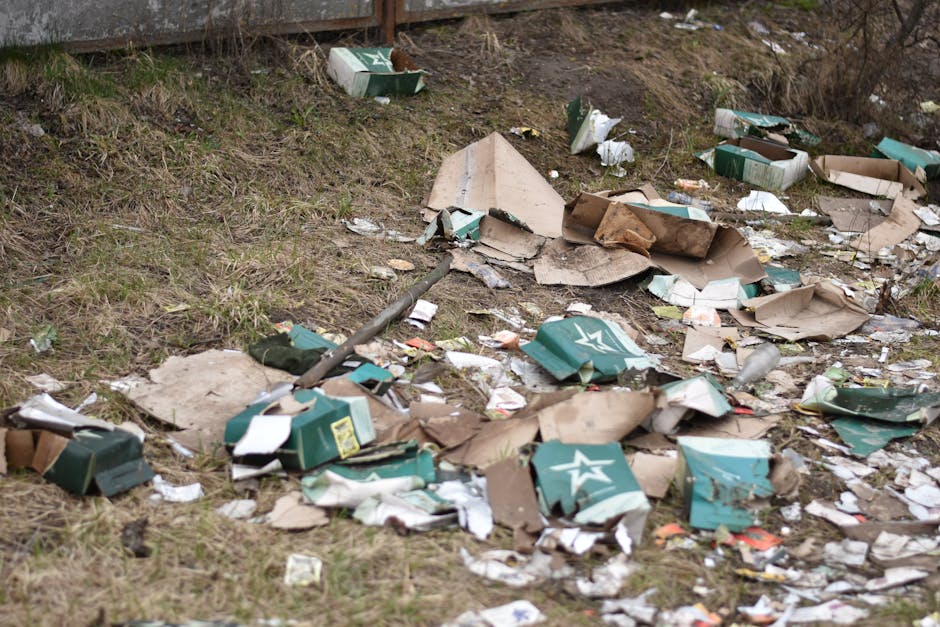
Rubbish Removal Guide for Palmers Green Station: A Practical Local Guide
If you are dealing with a pile of unwanted items near Palmers Green Station, you are probably not looking for theory. You want a clear, sensible way to get rid of rubbish without turning your week upside down. This Rubbish removal guide for Palmers Green Station walks you through how local clearance usually works, what to look out for, and how to make the process smoother whether you are clearing a flat, a shop, a garden, or the after-effects of a refurb. Truth be told, rubbish always seems to multiply when you are least in the mood for it.
In this guide, you will find a practical breakdown of the options, common mistakes, compliance basics, and a simple checklist you can actually use. If you need a broader service later, you may also find it helpful to look at waste removal, home clearance, or office clearance depending on the type of load you are dealing with.
Table of Contents
- Why rubbish removal around Palmers Green Station matters
- How rubbish removal works
- Key benefits and practical advantages
- Who this is for and when it makes sense
- Step-by-step guidance
- Expert tips for better results
- Common mistakes to avoid
- Tools, resources and recommendations
- Law, compliance, standards and best practice
- Options, methods and comparison
- Case study or real-world example
- Practical checklist
- Conclusion
- Frequently asked questions
Why Rubbish Removal Around Palmers Green Station Matters
Palmers Green Station sits in a busy part of north London, where homes, flats, shops, and small businesses often operate in tight spaces with limited room for clutter. That matters because waste builds up quickly in areas where access is awkward and storage is scarce. A few bags left in a hallway can become a proper obstacle, and a broken wardrobe leaning near the front door is not just ugly, it becomes a daily nuisance.
Rubbish removal is not only about making things look tidy. It helps reduce trip hazards, improves access for residents and tradespeople, and stops waste from hanging around long enough to attract pests or create bad smells. Near a station, timing also matters. Morning footfall, school runs, deliveries, and parked vehicles all make a poorly planned collection more stressful than it needs to be.
There is also a practical business angle. For landlords, letting agents, shop owners, and office managers, delayed clearance can slow move-ins, refurbishments, and reopenings. That can be expensive in ways people do not always count on the first day. A sensible rubbish removal plan keeps work moving. Nice and steady, no drama.
Expert summary: the best rubbish removal jobs near Palmers Green Station are the ones planned around access, load type, and timing, not just the pile itself.
How Rubbish Removal Around Palmers Green Station Works
In most cases, rubbish removal follows a simple pattern: identify what needs to go, choose the right service, agree the collection details, and make sure items are ready for loading. The exact process depends on whether you are dealing with household rubbish, furniture, garden waste, builders' debris, or commercial waste.
A good clearance normally starts with a clear description of the items. If you are unsure how much there is, a quick photo set can be useful. It helps avoid the awkward "actually, there's a bit more than we thought" moment. That happens quite a lot, to be fair. Once the load is assessed, the next steps are usually access planning, collection timing, and confirmation of what will be taken.
For mixed household loads, people often combine this with a flat clearance or house clearance. If the job is mainly bulky items, furniture clearance or furniture disposal may be the more practical route. For overfilled storage areas, garage clearance or loft clearance can save a lot of sorting time.
Commercial and trade waste tends to need more structure. You may be looking at box breakdown, separating recyclable material, or handling awkward packaging after a fit-out. In those cases, specialised services such as builders waste clearance or business waste removal are often a better fit than a general clear-out.
Key Benefits and Practical Advantages
The obvious benefit is that your space becomes usable again. But the practical advantages go deeper than that.
- Less clutter, less stress: A clean space simply feels easier to manage. You notice it straight away when you open the door.
- Safer access: Stairs, hallways, and shared entrances become easier to move through, especially in flats near busy transport links.
- Faster turnaround: If you are moving, decorating, or handing back a property, clearance can keep your schedule on track.
- Better recycling separation: A well-run clearance can sort reusable and recyclable material more effectively than a rushed DIY load.
- Less back-and-forth: One organised collection is usually easier than several car trips and the inevitable "where do we put this now?" question.
There is also peace of mind. You are not left wondering whether that old sofa will fit in the car, whether the stairwell is too narrow, or whether the local tip visit will take half the day. For many people, that certainty is worth a lot. Especially on a wet Wednesday when the station area is busy and the pavement is busy too.
If sustainability matters to you, it is worth checking a provider's approach to reuse and recycling. A proper service should be able to explain how it deals with sorting and onward treatment. You can read more about this on recycling and sustainability.
Who This Is For and When It Makes Sense
This guide is useful for a fairly wide mix of people, and that is partly why rubbish removal in this part of London is such a common need.
Homeowners and tenants
If you are clearing out a flat before moving, dealing with post-renovation debris, or simply tired of the spare room looking like a storage unit, rubbish removal gives you a clean reset. Tenants often need help when a tenancy ends and the property has accumulated more than expected. Owners, meanwhile, may want a fast turnaround between occupants.
Landlords and letting agents
Landlords often need reliable clearances after tenant moves, especially if items have been left behind. That can include furniture, broken appliances, bags of mixed rubbish, and general household clutter. A prompt clearance keeps properties presentable and avoids delays in re-letting.
Local businesses
Shops, offices, and smaller commercial premises around Palmers Green Station may need help with office furniture, packaging, archive waste, or mixed commercial rubbish. If the job is office-based, office clearance can be more efficient than trying to piece everything together yourself.
Trades and refurb teams
Builders, decorators, and kitchen fitters often generate waste in bursts. The trick is to remove it before it becomes a site hazard or blocks your own work. That is where builders waste clearance makes sense, particularly on jobs with narrow access or tight deadlines.
If you are still unsure whether your situation counts as a full clearance or just a small rubbish collection, think about the access, the volume, and whether you want anything sorted, moved, or recycled. If the answer is "yes" to two or more of those, a professional removal service is often the easier choice.
Step-by-Step Guidance
Here is a practical way to approach rubbish removal near Palmers Green Station without overcomplicating it.
- Sort the waste by type. Separate general rubbish, bulky items, recyclables, garden waste, and anything that may need special handling. A little sorting now saves a lot of confusion later.
- Measure access. Check stairs, lifts, parking, narrow doorways, and whether anything needs to be moved through a shared entrance. The route matters almost as much as the rubbish itself.
- Take a few photos. This helps estimate the job properly and avoids surprises on collection day.
- Decide what must stay. It sounds obvious, but plenty of jobs get delayed because one important item is left in the middle of the pile.
- Choose the right service type. General waste, furniture, garden, garage, loft, office, or builders' debris each point to a slightly different solution.
- Prepare the items. Put bags together, flatten cardboard if needed, and make large pieces easy to lift where possible.
- Confirm timing. Try to pick a collection window that suits access and avoids peak disruption. Near the station, that can make a real difference.
- Check the paperwork. For commercial or larger loads, make sure you understand what is included and how waste is handled.
A small practical note: if you are clearing a property after a move or refurbishment, do not leave the final sweep until the collection day. You will always find one extra lamp, one hidden box, one mystery cable. Always.
Expert Tips for Better Results
Good rubbish removal is mostly about planning. Here are the little things that make the biggest difference.
- Book with access in mind. If a van cannot stop nearby, the collection takes longer. That can affect the price and the smoothness of the job.
- Keep bulky items together. Sofas, mattresses, wardrobes, and cabinets are easier to assess when grouped properly.
- Photograph awkward waste. Broken furniture, mixed debris, and odd-shaped items are easier to quote for when visible upfront.
- Ask how recycling is handled. Not every item should end up in general waste. Reuse and recycling are worth asking about.
- Think about timing around traffic. A mid-morning collection may be calmer than a school-run window. Sometimes the quietest hour saves the most hassle.
- Clear the route first. Make sure stairs, hallways, and doors are unobstructed. A safe route is faster for everyone.
One thing people often underestimate is the emotional relief of seeing a space finally open up. A stripped-back room with daylight coming in through the window feels different. Lighter, somehow. That is not just a nice feeling; it often helps people make the next decision more clearly.
If you are comparing providers, look at practical service detail rather than broad claims. A strong about us page can help you understand how a company works, while pricing and quotes should give you a clearer sense of what is included before you commit.
Common Mistakes to Avoid
A few avoidable mistakes can make rubbish removal much harder than it needs to be. These come up all the time.
- Underestimating volume: A few bags can turn into a van load faster than expected. Always allow some buffer.
- Mixing everything together: When recyclable material, general waste, and bulky items are all jumbled up, the job takes longer and may cost more.
- Ignoring access issues: Narrow stairs, no parking, and shared entrances can all complicate collection if nobody mentions them early.
- Forgetting hidden items: Lofts and garages often contain more than people remember. The smell of old paper and dust can tell you that story quickly enough.
- Choosing purely on price: The cheapest option is not always the best if it leads to delays, poor communication, or unclear disposal handling.
- Leaving the job half-sorted: If valuable or reusable items are mixed in with rubbish, you may lose something useful by mistake.
It is also easy to overlook the basics when you are in a hurry. A quick walk-through before collection day saves time and avoids a last-minute scramble. Honestly, it is one of those jobs where a tidy five-minute check can spare a whole headache.
Tools, Resources and Recommendations
You do not need a toolbox the size of a shed, but a few simple tools and habits help a lot.
- Large bin bags: Good for bagged waste and smaller mixed items.
- Marker pen and labels: Useful if you are separating keep, donate, and remove piles.
- Tape measure: Helpful for checking furniture clearance through doors and stair turns.
- Phone camera: Good for quoting and for keeping track of what is leaving the property.
- Gloves: Particularly useful when handling dusty loft items, broken wood, or rough garden waste.
- Cleaning wipes or a broom: A quick tidy after clearance gives the space a proper finish.
For different kinds of clearances, it can help to match the service to the setting. A damp garden corner is not the same as a fitted office space. If you are dealing with outdoor waste, take a look at garden clearance. If the issue is a storage-heavy property, garage clearance or loft clearance may be the better fit.
For broader household jobs, home clearance is often the most flexible option because it can cover mixed rooms, furniture, and general rubbish in one visit.
Law, Compliance, Standards and Best Practice
Rubbish removal in the UK is not just a question of lifting and loading. Waste must be handled responsibly, and duty of care matters. In plain English, that means the person producing the waste should take reasonable steps to ensure it goes to a suitable and legitimate outlet. For most people, that is not about memorising regulations. It is about choosing a provider that handles waste properly and can explain its process without sounding vague.
Where waste is generated by a business, extra care is sensible. Commercial waste should be stored safely, moved appropriately, and separated where needed. For builders' waste, common best practice includes keeping sharp material, heavy debris, and reusable material under control so the site stays safe. For office waste, secure handling of mixed contents is especially important if documents or confidential material are involved.
Health and safety is part of the picture too. Stacking, lifting, and carrying should be done carefully, especially in narrow stairwells or older buildings. If a load is awkward or heavy, it is better handled by people who are used to that kind of work. That is exactly why well-planned clearances are usually smoother than improvised ones.
If you want reassurance on operational standards, it is worth reviewing a provider's health and safety policy and insurance and safety information. These pages do not replace judgment, of course, but they do help you see whether a company takes its responsibilities seriously.
For customers, the simplest rule is this: ask questions early, describe the waste honestly, and do not be shy about checking how the material will be handled. A clear answer is a good sign. A fuzzy answer usually is not.
Options, Methods and Comparison Table
There are a few different ways to deal with rubbish near Palmers Green Station, and the right choice depends on speed, volume, access, and the kind of waste involved.
| Method | Best for | Strengths | Limitations |
|---|---|---|---|
| DIY tip run | Very small loads | Can seem cheap if you only have a few items | Time-consuming, tiring, parking and vehicle issues, multiple trips |
| Skip hire | Ongoing renovation waste or larger volumes | Useful for longer projects and repeated loading | Needs space, permits may be required in some situations, access can be awkward |
| Professional rubbish removal | Mixed loads, bulky waste, quick clearances | Fast, convenient, less lifting for you, suited to tight access | Usually best when you want a full service rather than a drop-and-fill solution |
For a lot of people, professional removal wins because it removes friction. You do not need to borrow a van, organise loading, or spend half a day queuing. For a small single-item job, though, a different method may be perfectly fine. There is no prize for making a simple job complicated.
If your waste is mostly furniture, compare the options against the space you have available and the time you can spare. If it is bulky but not especially hazardous, furniture disposal may be the most direct route. If the load includes a full room or two, then a more complete flat clearance may be better value.
Case Study or Real-World Example
Consider a fairly common local situation. A couple are moving out of a flat not far from Palmers Green Station and discover, about a week before handover, that the spare room is packed with old shelving, a broken desk, several bags of mixed rubbish, and a wardrobe that no longer fits through the narrow stairwell. The room has been a storage catch-all for years. You can almost feel the dust when the door opens.
At first, they think they can manage it in a couple of car trips. But the desk is too awkward, the bags are heavier than expected, and the wardrobe is the kind of item that looks easier to move than it really is. Once they check the route, they realise a planned clearance is the sensible way forward. The waste is sorted into furniture, mixed rubbish, and a few recyclable items. The access is described clearly, and the collection is arranged to avoid the busy commute window.
The main win was not just speed. It was peace of mind. The room was cleared in one go, the exit route stayed safe, and they did not need to spend a whole afternoon wrestling with staircases and dust. That is often the real value of a proper rubbish removal service. Not magic. Just a job done without fuss.
Practical Checklist
Use this quick checklist before booking or arranging rubbish removal near Palmers Green Station.
- Have I identified the main waste type?
- Do I know what must stay and what must go?
- Have I checked access, stairs, lifts, and parking?
- Have I taken photos of the full load?
- Are any items bulky, heavy, or awkward to move?
- Do I need a full clearance or just a small collection?
- Have I separated anything recyclable or reusable?
- Do I have a preferred date or time window?
- Have I checked the provider's safety and recycling information?
- Is the route clear on collection day?
If you can tick most of those off, you are already ahead of the game. A bit of preparation goes a long way, and it usually saves money as well as time.
Conclusion
Rubbish removal near Palmers Green Station is at its best when it is simple, organised, and matched to the actual job in front of you. That might mean a one-off household clearance, a furniture removal, a builders' waste collection, or a more structured business clearance. The right choice is the one that fits the access, the volume, and your timetable without causing extra hassle.
Take the time to sort the waste, check the route, and choose the service that suits the space. If you do that, the whole process becomes much calmer, and the results are usually better too. No one needs a dramatic rubbish day. Let's keep it straightforward.
For a fuller view of the company behind these services, you can also review the about us page, or see the team's approach to recycling and sustainability before you decide what to book.
Get a free quote today and see how much you can save.
Frequently Asked Questions
What is the best rubbish removal option near Palmers Green Station?
The best option depends on the waste type, how much there is, and how quickly you need it gone. For mixed or bulky loads, a professional rubbish removal service is usually the easiest route.
Can rubbish removal include furniture and bulky items?
Yes, it often can. Sofas, wardrobes, tables, and similar items are commonly handled through furniture-related clearance services, especially when access is awkward or the items are too large for DIY transport.
Is rubbish removal suitable for flats near the station?
Yes. Flat clearances are very common in areas like this, where stairs, shared entrances, and limited storage can make waste removal more difficult than it first appears.
How do I know whether I need a full clearance or just a collection?
If the waste covers several rooms, includes bulky items, or needs sorting, a full clearance is usually the better fit. If it is just a few bags or a single item, a smaller collection may be enough.
What should I do before the collection day?
Sort the items, clear the access route, take photos if needed, and make sure you know what must stay in the property. A little preparation makes the job faster and safer.
Is builders' waste handled differently from household rubbish?
Usually, yes. Builders' waste often includes heavy, sharp, or mixed construction material, so it needs a service that understands site debris and safe handling. That is where builders waste clearance is useful.
Can businesses near Palmers Green Station arrange regular waste removal?
Yes, many businesses do. Office spaces, shops, and small commercial premises often benefit from business waste removal when they need predictable, organised collections.
How important is recycling in rubbish removal?
It is very important. Good providers separate reusable and recyclable material where possible, which reduces unnecessary landfill and shows a more responsible approach to waste handling.
What if I am not sure how much waste I have?
That is common. Photos, a rough room count, and a description of the biggest items usually help a lot. If in doubt, it is better to describe a bit more than a bit less.
Are access details really that important?
Very. Parking, stairs, narrow hallways, and lift access can all affect how long the job takes and how straightforward it is. Near a station, timing and access can make or break the smoothness of the collection.
What should I check before booking a rubbish removal company?
Look at how they explain pricing, safety, insurance, and recycling. You want clear answers, not vague promises. If the information is easy to understand, that is usually a good sign.
Can rubbish removal help if I am moving house?
Absolutely. House moves often uncover more clutter than expected, and a clearance service can help remove unwanted furniture, bags, loft items, and last-minute leftovers before handover.
If you are ready to organise the next step, visit contact us or take a look at pricing and quotes for a clearer idea of what to expect.