Stretch Your Dollar While Managing Bulky Waste Items
Stretch Your Dollar While Managing Bulky Waste Items
When it comes to bulky waste items such as old furniture, mattresses, appliances, or outdated electronics, the process of disposal can be not just inconvenient, but also costly. For households and businesses alike, knowing how to stretch your dollar while effectively and responsibly managing these large, unwanted items is crucial. In this comprehensive guide, we'll explore practical, savvy, and cost-effective strategies that allow you to take care of your bulky waste without breaking the bank.

Understanding Bulky Waste and Its Impact
Bulky waste, also known as large-item garbage or oversized refuse, often includes materials that cannot be collected by regular curbside trash pickup. Items like couches, mattresses, large household appliances, and even construction debris fall into this category. Mishandling these can have a negative impact on both your wallet and the environment.
- Expense: Hiring private haulers or relying on landfill disposal can involve significant fees.
- Environmental impact: Bulky waste sent directly to landfills contributes to pollution and the depletion of valuable landfill space.
- Community issues: Illegal dumping is on the rise, leading to eyesores and potential fines.
Effective bulky trash management can not only help you save money but also promote sustainability and community wellbeing.
Cost-Saving Strategies for Bulky Waste Management
1. Reduce and Reuse Before Disposing
The best way to stretch your dollar is by focusing on the reduce, reuse, and recycle principle. Before you think about discarding your item, ask:
- Can it be repaired? Sometimes, a small fix can extend the life of your furniture or appliance, saving you money in the long run.
- Could someone else use it? Donation is a great way to avoid disposal fees while supporting those in need.
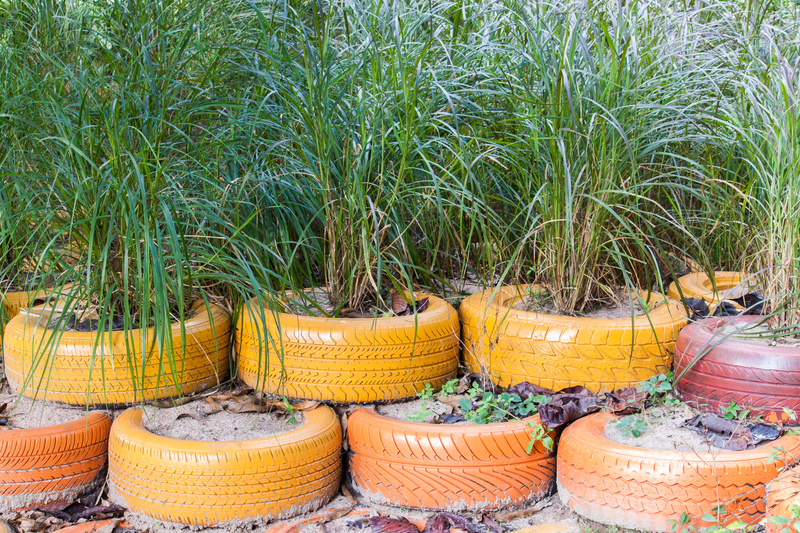
- Can it be transformed or upcycled? Many old items can be repurposed with a bit of creativity.
Pro Tip: Many non-profit organizations and charities will pick up bulky items for free, saving you time and disposal costs!
2. Take Advantage of Local Bulky Waste Collection Programs
Most municipalities offer periodic bulky item collection services, often free or at a reduced rate. Check your local government's website or contact your waste management provider for schedules and guidelines. Being prepared to use these programs when they arise can help you avoid costly private pickup charges.
- Schedule Pickup: Many cities require residents to book a pickup slot. Reserve ahead to ensure your items are collected for free.
- Follow Guidelines: Improperly prepared bulky items may not be collected, resulting in additional costs.
Staying informed of your community’s curbside regulations can help you manage bulky waste efficiently and with no extra charge.
3. Organize a Community Cleanup or Bulk Waste Drive
Pooling resources with neighbors can help you achieve volume discounts or even negotiate better rates with local haulers. Organize a neighborhood bulky waste day where everyone contributes, potentially making the process more affordable for all.
- Bulk Rates: Professional waste haulers often provide discounts for larger pickups.
- Shared Equipment Rental: Renting a dumpster or trailer as a group can lower individual contributions.
Remember: Community initiatives not only save money but also help strengthen neighborly bonds.
4. Explore Drop-Off Sites and Recycling Centers
Many communities operate drop-off centers where residents can dispose of oversized waste items like furniture, mattresses, and appliances. Some recycling centers accept specific large-item waste, and they may even process your item for reuse or recycling--sometimes at a minimal fee.
- Check Fees: Rates are often lower at municipal facilities than at landfills or via private pick-up.
- Sort Your Waste: Separate metal, wood, and electronics to take advantage of specialized recycling programs.
Always confirm accepted materials in advance to prevent unnecessary trips or unexpected charges.
5. Sell or Give Away Bulky Items Online
One person's trash is another's treasure! Before you pay to dispose of a bulky item, try selling it on online marketplaces such as Craigslist, Facebook Marketplace, OfferUp, or even local Freecycle groups. Even items that are broken or worn can be picked up by DIYers or hobbyists looking for parts or materials.
- Include photos and honest descriptions to make your listing stand out.
- Highlight "You Haul" in your ad to ensure buyers or takers handle transportation.
Reducing your disposal cost to zero--and potentially making a small profit--is the ultimate way to stretch your dollar while managing large, unwanted items!
Advanced Tips to Stretch Your Dollar with Bulk Waste Management
6. Rent a Truck for DIY Disposal
If you have several bulky items to dispose of, renting a truck for a few hours can be much less expensive than hiring a hauling service. Plan your trip to dispose of everything at once and, if possible, team up with friends or neighbors to share the cost.
- Map your route to municipal centers or recycling facilities that accept bulky items.
- Check weight/size limits at drop-off sites to avoid surprises.
7. Disassemble Large Items
Many waste management services charge by the size and weight of items. Disassembling furniture, taking doors off appliances, or breaking down bulky items into manageable pieces can save you money on both pickup fees and drop-off charges. Small bundles are also easier to transport in your personal vehicle, avoiding rental or professional service charges altogether.
8. Know Your Hazardous Waste Rules
Some large items, like refrigerators, air conditioners, and televisions, may contain hazardous materials and require special disposal. Know your local regulations to avoid fines or additional charges, and seek out community hazardous waste events or retailers that offer take-back programs.
- Check for manufacturer or retailer take-back programs
- Use government-approved disposal options
Proper handling not only protects the environment but also safeguards you from paying unnecessary fees.
Frequently Asked Questions About Bulky Waste Disposal
What qualifies as a bulky waste item?
- Furniture: couches, tables, chairs, beds, bookcases
- Major appliances: refrigerators, washing machines, dryers, ovens
- Mattresses and box springs
- Large toys, playground equipment, basketball hoops
- Carpet and large rugs
- Electronic waste: televisions, stereo equipment (follow e-waste guidelines!)
How often can I schedule bulky item pickup with my city?
This depends on your municipality. Most cities offer one or two free pickups per year, while some charge a nominal fee per item. Always consult your city or county website for current information.
Can I leave bulky waste items at the curb?
Only during designated collection times or by prior appointment. Illegal dumping may result in fines. Always check with your local waste authority for proper procedures.
Eco-Friendly and Budget-Conscious Disposal Alternatives
Donate to Thrift Stores or Non-Profit Organizations
Many non-profits accept gently-used large furniture and appliances. Donating not only reduces landfill impact but can also earn you a potential tax deduction. Popular options include the Salvation Army, Habitat for Humanity ReStores, and local religious or civic organizations.
Contact Scrap Metal Recyclers
Many bulky waste items, especially appliances and old electronics, contain valuable scrap metals. Contact local scrap yards--some will pick up items for free or even pay you for materials.
Host a Garage or Curbside Giveaway
Posting "free" items curbside or organizing a group giveaway day can be a magnet for bargain hunters. This eliminates your removal cost and diverts usable items from the landfill.
Tips to Avoid Future Bulky Waste Expenses
- Buy Quality, Not Quantity: Investing in durable, long-lasting furniture reduces the frequency of replacement and disposal.
- Rent or Borrow: For items needed temporarily, like large equipment or appliances, consider renting rather than buying.
- Repair and Maintain: Proper upkeep prolongs the life of bulky items, saving you on both replacement and disposal costs.
- Plan Purchases: Buy items in sizes suitable for your home so future removal is feasible without extra hassle.
Conclusion: Take Charge of Your Bulky Waste--without Wasteful Spending
Disposing of large, bulky waste items doesn't have to be a financial burden. By employing strategies such as reuse, donation, recycling, and smart coordination with local resources, you can manage these items in a way that is both cost-effective and environmentally friendly. Informed planning, creative reuse, and prudent use of community services can help you stretch your dollar while managing bulky waste items--turning a chore into an opportunity for savings and community contribution.
Remember: With the right approach, you won't just be cleaning up your home or business--you'll also be making a positive impact for your wallet and your world.
